Navy Seal Sleep Method: The 2-Minute Trick to Fall Asleep Anywhere
The Navy Seal sleep method helps you fall asleep in 2 minutes. Learn the 6-step technique Bud Winter developed for WWII pilots and how to use it tonight.
Allen Mckinney
Updated June 11, 2026
Fighters pilots in World War II were dying because they could not stay awake.
Not from enemy fire. From fatigue. Missions required hours of intense concentration, and pilots who nodded off at the wrong moment did not come home. The Navy needed a solution, and they needed it fast.
They found Lloyd "Bud" Winter, a track coach at San Jose State who had been studying how elite athletes relax under pressure. Winter's assignment: teach combat aviators to fall asleep in 2 minutes, anywhere, under any conditions.
He succeeded. After 6 weeks of daily practice, 96% of the pilots could fall asleep in 2 minutes or less. Sitting in a chair. With machine gun fire in the background. After drinking coffee.
The technique remained classified for decades. When Winter finally published it in 1981 in his book Relax and Win, it took another 40 years to go viral. Now it is one of the most searched sleep techniques on the internet.
Here is exactly how it works.
The 6 steps of the Navy Seal sleep method
Step 1: Get in position
Lie down on your back. Feet slightly apart, arms loose at your sides, palms facing up. Close your eyes. If you need to sit in a chair (pilots did), that works too.
Step 2: Relax your face
This is the most important step. Your face has 43+ muscles, and when they are tense, your body interprets it as stress. Take one deep belly breath, then systematically release every muscle in your face:
- Forehead: Smooth out all wrinkles. Let the skin go slack.
- Eyes: Let them sink back into your head. Relax the 8 muscles that control eye movement.
- Jaw: Let it hang loose. Most people clench without realizing it.
- Tongue: Let it fall away from the roof of your mouth.
- Lips: Slightly parted, completely relaxed.
Winter's original instruction: "Take all the wrinkles out of your forehead. Relax your scalp. Just let go. Now let your jaw sag-g-g. Let it drop open. Now relax the rest of your face muscles. Get the brook trout look on your face."
If your face does not feel substantially different, softer and heavier, go back and spend more time. This is where most people rush and why the technique fails for them.
Step 3: Drop your shoulders and arms
Drop your shoulders as low as they will go, then go even lower. Feel your upper arms relax, then elbows, forearms, hands, and fingers, one section at a time. Let your arms fall completely limp at your sides.
Step 4: Exhale and relax your chest
Take a deep breath in. Exhale slowly and feel your chest sink. Imagine all tension leaving with the breath.
Step 5: Relax your legs from top to bottom
- Thighs: Let them melt into the surface.
- Knees: Go completely loose.
- Calves: Feel them become heavy.
- Feet and toes: Completely limp, flopping naturally to the sides.
Step 6: Clear your mind for 10 seconds
This is the step that makes the technique work. Pick one of three visualization options and hold it for at least 10 seconds:
- The canoe: You are lying in a canoe on a calm lake, looking up at a clear blue sky with lazy, floating clouds.
- The hammock: You are in a big, black velvet hammock in a pitch-black room. Everywhere you look is darkness.
- The mantra: Silently repeat "don't think... don't think... don't think..." over and over, blocking out all other thoughts.
If your mind wanders (it will), gently bring it back. Once your mind is clear of active thoughts for 10 continuous seconds, sleep follows automatically.
Do not switch between visualization options. Pick one and stick with it. Switching keeps the brain active.
The science behind it
The technique combines three evidence-based mechanisms:
- Progressive muscle relaxation: Reduces pre-sleep anxiety and activates the parasympathetic nervous system. Studies show it helps people fall asleep faster.
- Controlled breathing: Slow breathing with extended exhalations activates the "rest and digest" response. Navy SEALs use box breathing to reduce stress hormones by 10-30%.
- Guided visualization: Gives the brain one simple, repetitive task instead of letting it replay tomorrow's to-do list. Research shows visualization techniques reduce distress from unwanted thoughts.
Dr. Andrew Huberman, a Stanford neuroscientist, calls systematic body-scan relaxation "non-sleep deep rest" and says it can cut time-to-sleep by 50-80% even for chronic insomniacs.
A 2022 Naval Aeromedical study of 57 cadets found that a similar protocol reduced average sleep onset from 22 minutes to 6 minutes after six weeks. Not quite 2 minutes, but still a dramatic improvement.
The 96% success rate: fact or fiction?
The headline claim: after 6 weeks of daily practice, 96% of pilots could fall asleep in 2 minutes or less.
Here is the honest context: that figure comes from Bud Winter's own account in his book, not from a published peer-reviewed study. No independent clinical trial has tested the exact combined protocol.
The individual components (PMR, breathing, visualization) are well-established. The specific combination and the 2-minute target are Winter's own metrics.
For civilians, a more realistic timeline:
- Week 1-2: You will notice it getting easier. Maybe 10-15 minutes instead of 30.
- Week 3-4: Significant improvement. Falling asleep in 5-10 minutes becomes normal.
- Week 5-6: Mastery territory. Some nights you will hit 2-3 minutes.
Consistent practice is the key. This is a skill, not a magic trick.
Common mistakes that kill the technique
1. Rushing the face. This is the number one reason people underperform. The jaw, tongue, and eye muscles are primary contributors to physiological arousal. Spend real time here.
2. Skipping the mental clearing. Physical relaxation alone is not enough. If your mind immediately returns to active thinking, the tension comes back. The 10-second mental trick bridges physical relaxation into sleep onset.
3. Expecting instant results. Winter's pilots practiced daily for 6 weeks in a structured program. Trying it twice and declaring it "does not work" misunderstands how relaxation skills are built.
4. Switching visualization options. Pick one (canoe, hammock, or mantra) and use it consistently for at least a week before trying a different one.
5. Forcing it on bad nights. If you are not tired enough (weak sleep drive), no amount of relaxation can create sleep. If you cannot fall asleep within 10-15 minutes, get up and do something boring in dim light until drowsy.
The Navy SEAL power nap bonus
There is a second technique often confused with the main method: the Navy SEAL legs-up nap. Jocko Willink popularized this one.
The concept: lie on the floor with your legs elevated at 90-120 degrees (against a wall or on a couch) for 8-10 minutes. Set an alarm. This position promotes blood flow to the brain and triggers a restorative mini-nap without entering deep sleep.
It is a daytime recovery tool, not a nighttime sleep method. Use it between 1-3 PM for a quick reset.
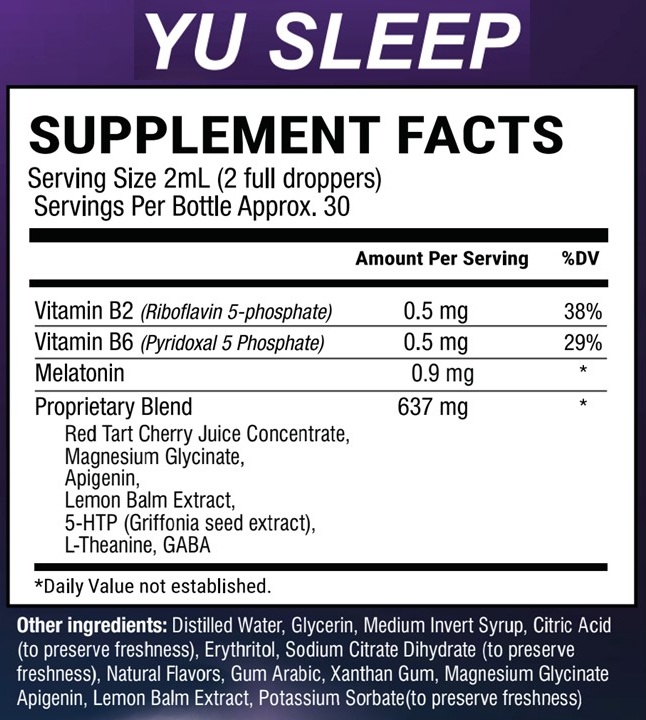
Want to fall asleep faster tonight?
Yu Sleep complements the Navy Seal method
Low-dose melatonin (0.9mg) + magnesium glycinate + calming herbs. Take it 30 minutes before you start the technique. 60-day money-back guarantee.
Try Yu Sleep Risk-Free →Frequently Asked Questions
What is the Navy Seal sleep method?
The Navy Seal sleep method is a 6-step relaxation technique combining progressive muscle relaxation, controlled breathing, and guided visualization. It was developed by Bud Winter during WWII to teach pilots to fall asleep in 2 minutes or less.
How long does it take to work?
Most people see improvement within 1-2 weeks of daily practice. Significant results come by week 3-4. Mastery (occasionally hitting 2 minutes) takes 4-6 weeks of consistent nightly practice.
Does it really work in 2 minutes?
The 96% success rate comes from Bud Winter's original account with WWII pilots after 6 weeks of daily practice. For civilians, 5-15 minutes is more realistic initially, improving over weeks of practice.
What visualization should I use?
Pick one: a canoe on a calm lake, a black velvet hammock in darkness, or silently repeating "don't think." Use the same one every night for at least a week before switching.
Can I use it during the day for naps?
Yes. The full technique works for daytime naps too. For a quicker option, try the Navy SEAL legs-up nap: lie on the floor with legs elevated at 90 degrees for 8-10 minutes.
Is it safe for everyone?
The technique is safe for most people. If you have PTSD or trauma, the visualization component may be triggering. Consult a healthcare provider if you have concerns.
How is it different from the 4-7-8 breathing method?
The military method uses full-body progressive relaxation plus mental clearing. The 4-7-8 method focuses only on breath patterns. The military method is more comprehensive but has more steps to remember.
Final verdict
The Navy Seal sleep method is not a magic trick. It is a skill that rewards consistency. The science behind its individual components is solid, and the technique has helped millions of people fall asleep faster.
Start tonight. Lie down, relax your face, drop your shoulders, clear your mind for 10 seconds. Do it again tomorrow. And the next night. By week 3, you will notice the difference.
If you want to accelerate results, combine it with a sleep supplement. Yu Sleep provides the low-dose melatonin and magnesium that support the relaxation response the technique activates. 60-day guarantee.
Want to try the supplement mentioned in this article?
Try Yu Sleep — Risk-Free for 60 Days
9 clinically studied ingredients. Low-dose melatonin. Free shipping on 6-month orders.
Try Yu Sleep Risk-Free →Continue Reading
Why Do I Wake Up at 3 AM Every Night? 9 Medical Causes
Waking up at 3 AM is one of the most common sleep complaints. Learn the 9 medical causes behind 3 AM wake-ups and what y...
How to Fall Asleep Faster: 15 Science-Backed Methods That Actually Work
Struggling to fall asleep? These 15 science-backed methods can help you fall asleep in under 20 minutes — from the milit...
Best Natural Sleep Supplements in 2026: Evidence-Based Guide
Looking for the best natural sleep supplement? We analyze 12 popular options based on ingredients, clinical evidence, us...
Magnesium for Sleep: Which Form Works Best? (Glycinate vs Citrate vs Threonate)
Not all magnesium is the same. Learn which form of magnesium is best for sleep — glycinate, citrate, threonate, or oxide...