Magnesium for Sleep: Which Form Works Best? (Glycinate vs Citrate vs Threonate)
Not all magnesium is the same. Learn which form of magnesium is best for sleep — glycinate, citrate, threonate, or oxide — and how much you actually need.
Allen Mckinney
Updated June 8, 2026
Magnesium is involved in over 300 enzymatic reactions in your body, and sleep is one of them (NIH Magnesium Research).
But here is what most people do not realize: there are at least seven different forms of magnesium supplements, and only a few of them are actually good for sleep.
Taking the wrong form can even make your sleep worse. Here is how to choose.
Why Magnesium Matters for Sleep
Magnesium plays a direct role in sleep regulation:
- GABA activation: Magnesium binds to GABA receptors, the same ones targeted by anti-anxiety medications
- Melatonin regulation: Magnesium helps your body produce melatonin naturally
- Cortisol control: Low magnesium is linked to elevated cortisol, the stress hormone that wakes you at 3 AM
- Muscle relaxation: Magnesium prevents the muscle tension and restless legs that disrupt sleep
Up to 50% of American adults do not get enough magnesium from diet alone. If you are waking up at 3 AM, low magnesium might be one of the reasons.
The 7 Forms of Magnesium (Ranked for Sleep)
1. Magnesium Glycinate — Best for Sleep
This is the gold standard. The glycine molecule itself is calming — it lowers body temperature and promotes relaxation. So you get double the sleep benefit: magnesium + glycine.
Absorption: Excellent · Dosage: 200-400mg before bed · Side effects: Very few
2. Magnesium L-Threonate — Best for Brain Sleep
Specifically designed to increase magnesium levels in the brain. It crosses the blood-brain barrier, which other forms cannot do.
Absorption: Good · Dosage: 144mg elemental magnesium · Side effects: Minimal, but expensive
3. Magnesium Taurate — Best for Heart + Sleep
Taurine supports cardiovascular health and has calming properties. Good choice if you have high blood pressure alongside sleep issues.
Absorption: Good · Dosage: 200-400mg before bed · Side effects: Minimal
4. Magnesium Citrate — Decent but Laxative Effect
Absorbs well, but primarily known as a laxative. Higher doses cause loose stools. Not ideal for sleep specifically.
Absorption: Good · Dosage: 200mg · Side effects: Diarrhea at higher doses
5. Magnesium Malate — Best for Energy + Sleep
Malic acid supports energy production. Better taken in the morning than at night. Not the best choice for nighttime sleep.
Absorption: Good · Dosage: 200-400mg · Side effects: Minimal
6. Magnesium Oxide — Worst for Sleep
Only 4% is absorbed. Most of it passes through your system as a laxative. Do not waste your money on this form for sleep.
Absorption: Poor · Dosage: N/A · Side effects: Laxative effect
7. Magnesium Sulfate (Epsom Salt) — Best for Baths
A warm Epsom salt bath before bed can promote relaxation through magnesium absorption and the calming effect of warm water. Great as a sleep ritual, but not a replacement for oral supplementation.
Absorption: Through skin · Dosage: 1-2 cups in bath · Side effects: None
How Much Magnesium Do You Need for Sleep?
The RDA for magnesium is 310-420mg per day (depending on age and sex). But this is the minimum to prevent deficiency — not the optimal amount for sleep.
For sleep specifically:
- Dietary magnesium: Aim for 300-400mg from food (leafy greens, nuts, seeds, dark chocolate)
- Supplemental magnesium: 200-400mg of magnesium glycinate before bed
- Total target: 500-800mg per day
Magnesium vs Melatonin: Which Is Better?
They serve different purposes:
- Melatonin signals your body that it is time to sleep. It addresses sleep onset.
- Magnesium calms your nervous system and supports natural melatonin production. It addresses sleep quality and maintenance.
For best results, use both. Low-dose melatonin (0.3-1mg) to signal sleep onset, plus magnesium glycinate to support deep sleep and prevent middle-of-the-night waking.
If you want to see how they compare to other supplements, here is my full comparison of the best sleep supplements in 2026.
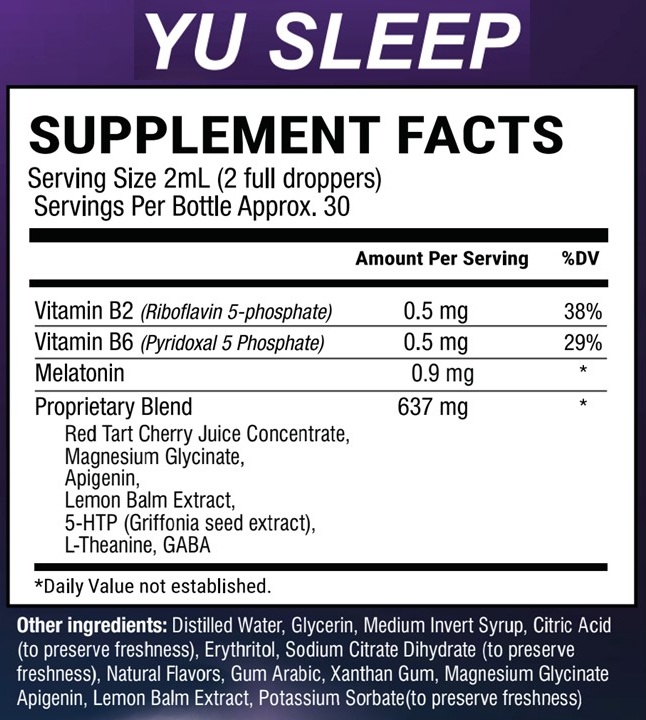
Want magnesium + 8 other sleep ingredients in one formula?
Yu Sleep includes magnesium glycinate at the clinical dose
Combined with melatonin, L-theanine, GABA, and more. 60-day money-back guarantee.
Try Yu Sleep Risk-Free →Frequently Asked Questions
Should I take magnesium or melatonin for sleep?
Both. Melatonin signals sleep onset. Magnesium calms the nervous system and supports sleep quality. They work through different mechanisms and complement each other well.
Can I take magnesium glycinate every night?
Yes. It is safe for long-term daily use and does not cause digestive issues even with regular use.
How long before bed should I take magnesium?
30-60 minutes before bed is ideal. This gives the magnesium time to be absorbed and start promoting relaxation.
Want to try the supplement mentioned in this article?
Try Yu Sleep — Risk-Free for 60 Days
9 clinically studied ingredients. Low-dose melatonin. Free shipping on 6-month orders.
Try Yu Sleep Risk-Free →Continue Reading
Why Do I Wake Up at 3 AM Every Night? 9 Medical Causes
Waking up at 3 AM is one of the most common sleep complaints. Learn the 9 medical causes behind 3 AM wake-ups and what y...
Sleep TipsHow to Fall Asleep Faster: 15 Science-Backed Methods That Actually Work
Struggling to fall asleep? These 15 science-backed methods can help you fall asleep in under 20 minutes — from the milit...
Supplement ReviewsBest Natural Sleep Supplements in 2026: Evidence-Based Guide
Looking for the best natural sleep supplement? We analyze 12 popular options based on ingredients, clinical evidence, us...