How to Fall Asleep Faster: 15 Science-Backed Methods That Actually Work
Struggling to fall asleep? These 15 science-backed methods can help you fall asleep in under 20 minutes — from the military sleep technique to optimal supplement timing.
Allen Mckinney
Updated June 8, 2026
Falling asleep should not be a battle.
But for millions of adults, lying in bed waiting for sleep feels like the most frustrating part of the day. You are tired, your body aches, and yet your brain refuses to shut off.
The average person takes 10-20 minutes to fall asleep. If it consistently takes you longer than 30 minutes, that is called sleep onset insomnia — and it is treatable (Sleep Foundation).
Here are 15 methods that actually work, backed by sleep science.
1. The Military Sleep Method
Developed for fighter pilots who needed to fall asleep in 2 minutes or less. It works in four steps:
- Relax your entire face — forehead, jaw, tongue, muscles around your eyes
- Drop your shoulders and arms, one side at a time
- Breathe out slowly, relaxing your chest
- Clear your mind for 10 seconds by imagining a calm scene
With practice, most people can fall asleep in under 2 minutes using this technique.
2. Lower Your Body Temperature
Your core temperature needs to drop by 2-3°F to initiate sleep. This is why you sleep better in a cool room.
Set your thermostat to 65-68°F (18-20°C). A warm shower 90 minutes before bed can also help — it raises your temperature temporarily, and the subsequent drop signals sleep.
3. Try the 4-7-8 Breathing Technique
Developed by Dr. Andrew Weil:
- Inhale through your nose for 4 seconds
- Hold your breath for 7 seconds
- Exhale slowly through your mouth for 8 seconds
Repeat 4 cycles. This activates your parasympathetic nervous system — your body's "rest and digest" mode.
4. Reduce Blue Light Exposure
Blue light from screens suppresses melatonin production by up to 50% (Harvard Health Research).
Stop using phones, tablets, and computers at least 60 minutes before bed. If you must use screens, enable night mode and use blue-light-blocking glasses.
5. Follow the 10-3-2-1 Rule
- 10 hours before bed: no more caffeine
- 3 hours before bed: no more food or alcohol
- 2 hours before bed: no more work
- 1 hour before bed: no more screens
6. Use Progressive Muscle Relaxation
Tense each muscle group for 5 seconds, then release for 30 seconds. Start with your toes and work up to your forehead.
This physical release triggers a relaxation response in your nervous system.
7. Create a Sleep Ritual
Your brain loves patterns. If you do the same things in the same order every night, your brain starts associating those actions with sleep onset.
For example:
- Brush teeth
- Read for 10 minutes
- Take your sleep supplement
- Dim the lights
- Get into bed
After a week or two, just starting this sequence signals your body that sleep is coming.
8. Write Down Your Worries
A "brain dump" before bed can reduce sleep onset latency by up to 50%.
Spend 5 minutes writing down everything on your mind — tomorrow's tasks, worries, ideas. Once it is on paper, your brain lets go.
9. Try Magnesium Glycinate
Magnesium is involved in GABA receptor function — the same calming neurotransmitter that sleep medications target.
Magnesium glycinate is the best-absorbed form for sleep. Take 200-400mg about 30-60 minutes before bed. I wrote a full breakdown on which form of magnesium works best for sleep here.
10. Use Lavender Aromatherapy
Lavender oil reduces heart rate and blood pressure, putting your body in a relaxed state.
Studies show it can reduce sleep onset latency by an average of 18 minutes. Use a diffuser or apply diluted oil to your pillow.
11. Avoid Clock-Watching
Turning to look at the clock when you cannot sleep is one of the worst things you can do.
It triggers clock anxiety — you start calculating how many hours of sleep you have left, which triggers cortisol. Turn your clock away from your bed.
12. Get Morning Sunlight
Exposure to bright sunlight within 30 minutes of waking sets your circadian rhythm. This makes you sleepy at the right time at night.
Aim for 10-15 minutes of outdoor light (not through a window).
13. Try a Tart Cherry Nightcap
Tart cherry juice is one of the few food sources of natural melatonin.
A study in the European Journal of Nutrition found that tart cherry juice increased sleep time by 84 minutes and improved sleep quality.
14. Don't Lie in Bed Awake
If you have been lying awake for more than 20 minutes, get up.
Go to another room and do something boring in dim light — read a dull book, fold laundry. Return to bed only when you feel sleepy. This prevents your brain from associating bed with wakefulness.
15. Consider a Multi-Ingredient Sleep Supplement
Single-ingredient supplements like melatonin alone only address one mechanism.
A multi-ingredient formula that combines melatonin, magnesium, calming herbs, and neurotransmitter support can address multiple causes of sleep onset difficulty simultaneously.
This is the approach I take in my own routine. If you are curious about what that looks like in practice, here is my full comparison of the best natural sleep supplements in 2026.
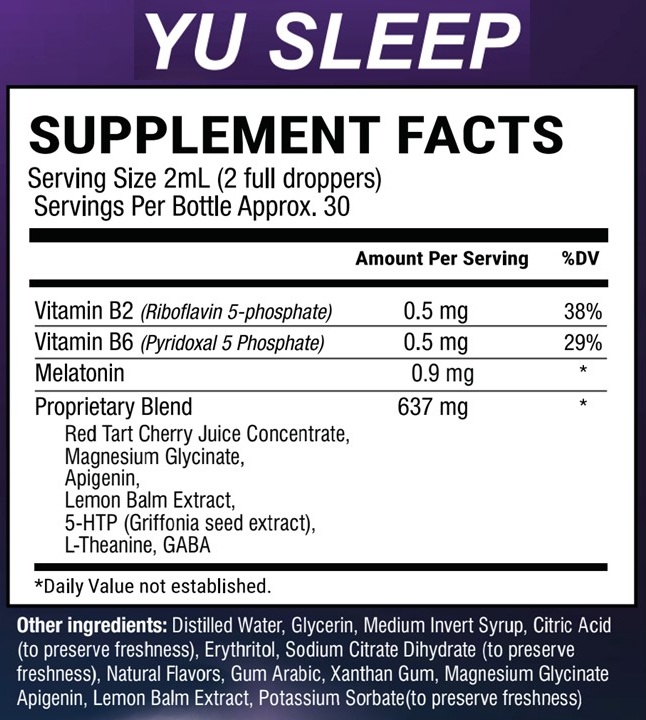
Want to fall asleep faster tonight?
Yu Sleep combines 9 ingredients that target sleep from every angle
Low-dose melatonin, magnesium glycinate, lemon balm, L-theanine, GABA, and more. 60-day money-back guarantee.
Try Yu Sleep Risk-Free →Frequently Asked Questions
How can I fall asleep in 5 minutes?
The military sleep method is the closest thing, but it requires practice. Most people need 1-2 weeks before it becomes effective. Combine it with a cool room (65-68°F) for best results.
Why can't I fall asleep even when I'm tired?
This is called "tired but wired" — your body is exhausted but your nervous system is still in alert mode. Common causes include elevated cortisol or too much stimulation before bed.
How long should it take to fall asleep?
10-20 minutes is normal. Less than 5 minutes might indicate sleep deprivation. More than 30 minutes consistently suggests sleep onset insomnia.
Want to try the supplement mentioned in this article?
Try Yu Sleep — Risk-Free for 60 Days
9 clinically studied ingredients. Low-dose melatonin. Free shipping on 6-month orders.
Try Yu Sleep Risk-Free →Continue Reading
Why Do I Wake Up at 3 AM Every Night? 9 Medical Causes
Waking up at 3 AM is one of the most common sleep complaints. Learn the 9 medical causes behind 3 AM wake-ups and what y...
Supplement ReviewsBest Natural Sleep Supplements in 2026: Evidence-Based Guide
Looking for the best natural sleep supplement? We analyze 12 popular options based on ingredients, clinical evidence, us...
Ingredient Deep-DivesMagnesium for Sleep: Which Form Works Best? (Glycinate vs Citrate vs Threonate)
Not all magnesium is the same. Learn which form of magnesium is best for sleep — glycinate, citrate, threonate, or oxide...