The 3-2-1 Sleep Rule: The Simple Bedtime Routine Sleep Experts Swear By
The 3-2-1 sleep rule is a simple countdown that tells you exactly what to avoid before bed. Here is what each number means and whether it actually works.
Allen Mckinney
Updated June 11, 2026
You have tried melatonin. You have tried counting sheep. You have tried forcing yourself to close your eyes at 11 PM while your brain replays every awkward thing you said in 2019.
None of it worked consistently.
Here is what might: a simple three-hour countdown that tells you exactly what to stop doing, and when. It is called the 3-2-1 rule, and it was coined by Dr. Michael Breus, a board-certified sleep specialist known as "The Sleep Doctor."
The concept is straightforward. Three numbers. Three cutoffs. One goal: fall asleep faster and wake up refreshed.
What is the 3-2-1 sleep rule?
The 3-2-1 rule is a bedtime routine framework that counts down the last three hours before sleep:
- 3 hours before bed: No food or alcohol
- 2 hours before bed: No work or mentally stimulating tasks
- 1 hour before bed: No screens (phones, TVs, laptops, tablets)
That is it. Three numbers. Three behavioral cutoffs. The idea is that each cutoff addresses a different system in your body: digestion, stress hormones, and light exposure.
Dr. Breus presented the rule on NBC's TODAY Show in September 2024. It went viral almost immediately because it is simple enough to remember at 9 PM when you are exhausted and your willpower is shot.
The science behind each number
3 hours: No food or alcohol
Eating within 3 hours of bedtime keeps your body in metabolic mode when it should be winding down. A 2024 study in PLOS ONE found that delayed meal timing correlates with poorer sleep quality. Your digestive system needs time to process before sleep begins.
Alcohol is worse. A meta-analysis of 27 studies confirmed that alcohol before bed disrupts sleep architecture. It suppresses REM sleep in the first half of the night, then triggers a rebound excitatory effect in the second half. Your liver metabolizes roughly one standard drink per hour, so 3 hours gives clearance for 2-3 drinks.
Even after the alcohol is metabolized, the excitatory rebound of glutamate continues disrupting sleep quality. Alcohol is one of the most common and most underestimated sleep destroyers.
2 hours: No work or stress
Cortisol from work stress does not drop immediately when you close your laptop. A study in Frontiers in Neuroscience (2020) found that bedtime stress increases sleep latency and impairs next-day performance. The hypothalamic-pituitary-adrenal axis requires time to return to baseline.
The 2-hour window allows for both physiological cortisol clearance and psychological decompression. This means no emails, no Slack, no "quick check" of tomorrow's to-do list. Your brain needs time to shift from problem-solving mode to rest mode.
If you struggle with this, try a "brain dump" 2 hours before bed. Write down everything on your mind: tasks, worries, ideas. Once it is on paper, your brain lets go.
1 hour: No screens
Blue light from screens suppresses melatonin production by up to 50%. Harvard Medical School research found that blue light can delay melatonin release by 30-90 minutes and shift your circadian clock by up to 3 hours in sensitive individuals.
Dr. Angela Holliday-Bell, a board-certified sleep specialist, explains: "The blue wavelength of light has the strongest alerting effect on your circadian rhythm and halts your melatonin release. Evening screen exposure can delay your melatonin release, effectively shifting or delaying your circadian rhythm such that you feel sleepy later than intended."
The 1-hour rule is actually the conservative version. Truly optimal may be 2 hours. But 1 hour is the minimum for meaningful melatonin recovery.
Sample timeline for a 10 PM bedtime
| Time | Action | Why |
|---|---|---|
| 7:00 PM | Finish dinner. Last call for alcohol. | Gives digestive system 3 hours to process |
| 8:00 PM | Stop work. Close laptop. No emails. | Cortisol clearance window begins |
| 9:00 PM | Put down screens. Dim lights. Start wind-down. | Melatonin production begins |
| 9:30 PM | Read, stretch, take supplement, shower. | Body temperature drops after warm shower |
| 10:00 PM | Lights out. Sleep. | All systems aligned for sleep onset |
3-2-1 vs. 10-3-2-1-0: which is better?
The 3-2-1 rule is not the only version. There is also the 10-3-2-1-0 rule, which adds two components:
- 10 hours before bed: No caffeine
- 3 hours before bed: No food or alcohol
- 2 hours before bed: No work
- 1 hour before bed: No screens
- 0: Zero snooze button presses
The 10-3-2-1-0 rule originated from a viral social media post by Dr. Jess Andrade, a sports medicine physician. The caffeine cutoff has strong scientific backing: a 2023 meta-analysis found caffeine should ideally be avoided about 8.8 hours before bedtime.
My recommendation: start with 3-2-1 if you are new to sleep hygiene. It is simpler and easier to stick with. Add the caffeine cutoff (the "10") once the basic habit is established.
Common mistakes people make
1. Doing all three at once right before bed. The rule works as a countdown, not a last-minute scramble. Start the 3-hour cutoff at 7 PM if your bedtime is 10 PM.
2. Being too rigid. If you follow the rule perfectly and then miss one night, you might feel anxious about it. That anxiety itself disrupts sleep. The rule is a framework, not a religion.
3. Ignoring caffeine. The 3-2-1 rule does not address caffeine, which is arguably the biggest sleep disruptor for many people. Add your own caffeine cutoff.
4. Forgetting the sleep environment. The rule addresses behavior but not bedroom conditions. You still need a cool room (65-68°F), pitch darkness, and quiet.
5. Expecting instant results. Sleep habits take 2-4 weeks to solidify. Follow the rule consistently for at least 14 days before judging.
Does the 3-2-1 rule actually work?
The individual components have strong scientific support. The specific 3-2-1 timing has not been tested as a complete protocol in a clinical trial. As Jennifer Goldschmied, an assistant professor of psychiatry at UPenn, notes: "There are no studies to suggest that these are hard and fast numbers to adhere to."
But the principles are sound:
- Stopping food 3 hours before bed reduces GERD and improves sleep quality
- Stopping work 2 hours before bed lowers cortisol and reduces sleep latency
- Stopping screens 1 hour before bed supports natural melatonin production
The 3-2-1 rule bundles these into a memorable framework. That is its real value: it gives you a simple, actionable plan instead of vague advice to "practice good sleep hygiene."
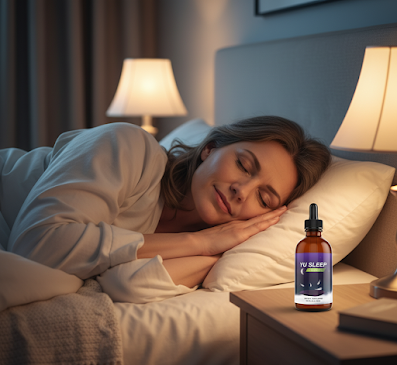
Want to fall asleep faster tonight?
Yu Sleep supports your natural sleep rhythm
Low-dose melatonin (0.9mg) + magnesium glycinate + calming herbs. Works with your 3-2-1 routine, not against it. 60-day money-back guarantee.
Try Yu Sleep Risk-Free →Frequently Asked Questions
What is the 3-2-1 sleep rule?
The 3-2-1 rule is a bedtime routine framework: no food or alcohol 3 hours before bed, no work 2 hours before bed, and no screens 1 hour before bed. It was popularized by Dr. Michael Breus, a board-certified sleep specialist.
Is the 3-2-1 rule scientifically proven?
Each component (no late eating, no evening stress, no screens) has strong scientific support. The specific 3-2-1 timing has not been tested as a complete protocol, but the individual principles are well-established in sleep research.
What time should I stop eating if I go to bed at 10 PM?
Stop eating by 7 PM. This gives your digestive system 3 hours to process before sleep. Eating late increases GERD symptoms and keeps your body in metabolic mode when it should be winding down.
Can I drink water after the 1-hour screen cutoff?
Yes. The screen cutoff is about light exposure, not fluids. However, stop drinking large amounts of water about 1-2 hours before bed to avoid nighttime bathroom trips.
Does the 3-2-1 rule work for shift workers?
The principles apply regardless of when you sleep. The key is consistency: apply the 3-2-1 countdown to whatever your designated sleep time is, whether that is 10 PM or 10 AM.
How long does it take for the 3-2-1 rule to improve sleep?
Most people notice improvements within 1-2 weeks of consistent practice. Full habit formation takes about 3-4 weeks. The key is following it every night, not just when you feel like it.
Can I have a small snack before bed on the 3-2-1 rule?
A small protein-rich snack (handful of almonds, piece of cheese) is fine. The rule targets full meals and alcohol, not light snacks. Some people actually sleep better with a small protein snack that stabilizes blood sugar overnight.
What is the 10-3-2-1-0 sleep rule?
The 10-3-2-1-0 rule adds two elements to the 3-2-1 framework: no caffeine 10 hours before bed, and zero snooze button presses in the morning. It is a more comprehensive version for people who want to optimize further.
Final verdict
The 3-2-1 rule works because it is simple. You do not need to remember 15 sleep tips. You just need to remember three numbers and what they mean.
Start tonight. Pick your bedtime, count back 3 hours, and mark your cutoffs. Follow it for 2 weeks. Track how you feel.
If you want to accelerate results, a sleep supplement with low-dose melatonin and magnesium can help your body align with the new routine faster. Yu Sleep is what I use for this purpose. 60-day guarantee.
Want to try the supplement mentioned in this article?
Try Yu Sleep — Risk-Free for 60 Days
9 clinically studied ingredients. Low-dose melatonin. Free shipping on 6-month orders.
Try Yu Sleep Risk-Free →Continue Reading
Why Do I Wake Up at 3 AM Every Night? 9 Medical Causes
Waking up at 3 AM is one of the most common sleep complaints. Learn the 9 medical causes behind 3 AM wake-ups and what y...
How to Fall Asleep Faster: 15 Science-Backed Methods That Actually Work
Struggling to fall asleep? These 15 science-backed methods can help you fall asleep in under 20 minutes — from the milit...
Best Natural Sleep Supplements in 2026: Evidence-Based Guide
Looking for the best natural sleep supplement? We analyze 12 popular options based on ingredients, clinical evidence, us...
Magnesium for Sleep: Which Form Works Best? (Glycinate vs Citrate vs Threonate)
Not all magnesium is the same. Learn which form of magnesium is best for sleep — glycinate, citrate, threonate, or oxide...